
Miami Credit Score Guide for Homebuyers | Credit Right
Miami Real Estate, Home Buying, Credit Scores, Mortgage Tips
Miami Homebuyer's Guide to Credit Scores and Mortgage Approval in 2026
Buying a home in Miami is exciting, but your credit score can make the difference between an easy approval and a stressful denial. This guide breaks down the credit score requirements for FHA, VA, USDA, and Conventional loans, how your score affects interest rates, what negative items can block approval, and practical steps to repair your credit before you apply—so you can move forward confidently with support from Credit Right Services.
Why Your Credit Score Matters So Much in Miami’s Market
Miami’s real estate market is competitive and fast-moving. Lenders look at your credit score as a snapshot of how reliably you handle debt. The higher your score, the more comfortable they feel lending you hundreds of thousands of dollars—and the better the terms they’re willing to offer. A strong score can save you tens of thousands of dollars over the life of your loan, while a weak score can mean higher rates, extra conditions, or a flat denial.
Credit Score Requirements by Mortgage Type in Miami (2026)
FHA Loans: Flexible but Watch the Lender Overlays
FHA loans are popular with first-time buyers in Miami because of their lower down payment options and more forgiving guidelines. Officially, the Federal Housing Administration allows:
580+ credit score with a minimum 3.5% down payment
500–579 credit score with at least a 10% down payment (SuperMoney, FHA guidelines)
In reality, most Miami lenders add their own rules, called overlays. Many want to see at least a 620 credit score for a smoother FHA approval in Miami-Dade County. If you’re below 620, you may still find a lender, but you’ll face more questions, extra documentation, and potentially higher costs.
VA Loans: Great Benefit for Veterans, with Flexible Guidelines
VA loans are a powerful option for eligible veterans, active-duty service members, and some surviving spouses. The Department of Veterans Affairs itself does not set a minimum credit score. Instead, it leaves that decision to lenders (VA home loan toolkit, benefits.va.gov).
Many Miami lenders look for around a 620+ credit score.
Some will consider borrowers in the 580–620 range if there are strong compensating factors, such as stable income, low debts, or extra savings.
If you’re a veteran in Miami with past credit challenges, improving your score before applying can dramatically increase your chances of approval and better terms.
USDA Loans: Strict Overlays and Limited Use in Urban Miami
USDA loans are designed for rural and certain suburban areas, so they’re less common in the urban core of Miami. Officially, the USDA does not impose a universal minimum credit score and uses its automated system (GUS) to assess risk. However, in practice, many lenders apply their own minimums:
Typical lender overlays require around a 640–680 credit score for USDA approval.
If you’re looking just outside Miami in eligible areas and considering USDA, treating 640 as your minimum target is a smart move—and higher is even better.
Conventional Loans: Stricter but Reward Strong Credit
Conventional loans (backed by Fannie Mae and Freddie Mac) usually reward borrowers with higher scores through better interest rates and fewer fees. Fannie Mae’s baseline is:
620 minimum credit score for most fixed-rate conventional mortgages
Around 640 for many adjustable-rate mortgages (ARMs)
In Miami, 620 is the realistic floor for conventional loans, but you’ll see the biggest pricing improvements as you move into the 700–740+ range. That’s where you start unlocking the best available rates and lower mortgage insurance costs.
How Your Credit Score Impacts Mortgage Interest Rates
As of mid-August 2026, the national average 30-year fixed mortgage rate is around 6.67% (Freddie Mac data via AP). In Miami, that typically translates to a range of roughly 6.5%–6.8%, depending on the lender and your profile. Your credit score is one of the biggest factors in where you land in that range—or whether you qualify at all.
With a 740+ score, you’re likely to see offers near the best advertised rates for your loan type.
In the 680–739 range, you’ll often pay slightly more—maybe a few tenths of a percent higher—but still get competitive terms.
Between 620–679, you may still qualify, but you’ll usually pay noticeably higher rates and fees, especially on conventional loans.
Below 620, your options narrow to specific FHA or VA lenders, and pricing often reflects that added risk.
Even a 0.5% difference in interest rate can add up to tens of thousands of dollars over 30 years. That’s why Credit Right Services focuses not just on getting you approved, but on helping you qualify for the best rate you reasonably can.
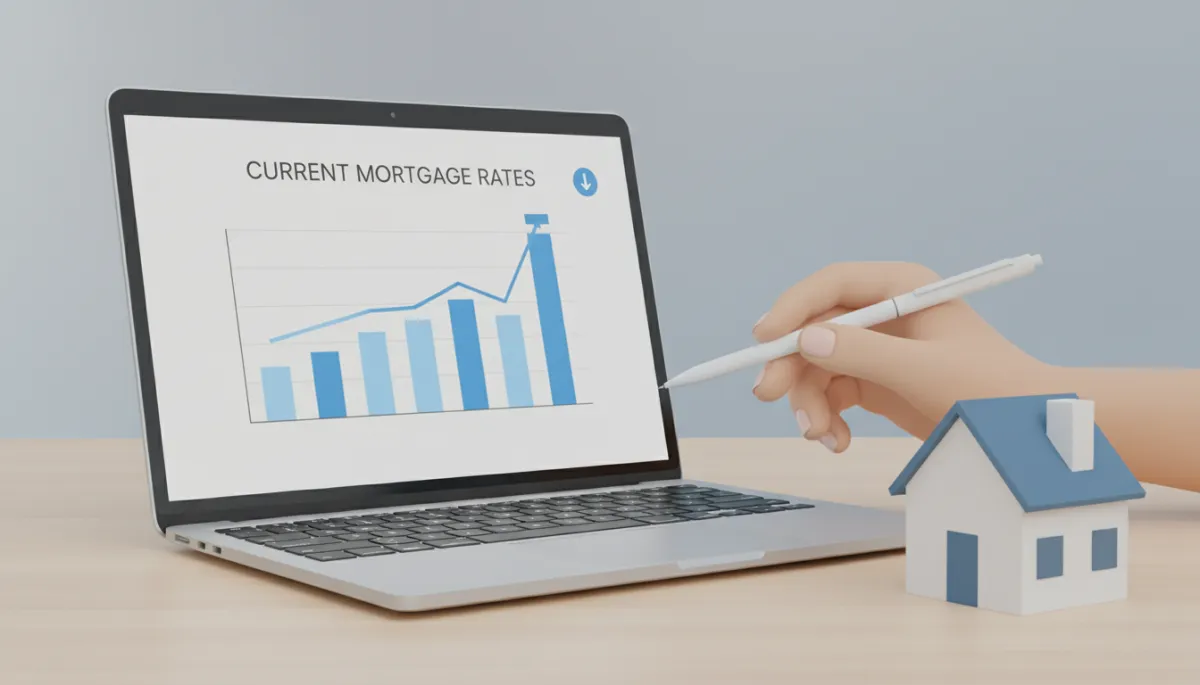
Even small credit score improvements can lower your rate and monthly payment dramatically.
Negative Credit Report Items That Can Block Your Mortgage Approval
Lenders don’t just look at your score; they also examine the details on your credit report. Certain negative items raise red flags and can lead to denials, delays, or tougher terms. Common problem items include (Experian, Equifax, myFICO):
Late payments – Especially recent ones (within the last 12–24 months) on credit cards, auto loans, or student loans. A 30- or 60-day late on a mortgage or auto loan can be especially damaging.
Collections accounts – Unpaid medical bills, utility bills, or credit cards that have been sent to collections. Even small-dollar collections can hurt your score and raise lender concerns.
Charge-offs – Accounts your creditor has written off as a loss. These signal serious payment problems and often need to be addressed before closing on a home.
Bankruptcies – Depending on the type of loan and how long ago the bankruptcy was discharged, this can delay your ability to qualify for a mortgage for several years.
Foreclosures and repossessions – Losing a previous home or vehicle due to non-payment is a major red flag and usually comes with mandatory waiting periods before you can get a new mortgage.
Judgments and tax liens – Legal actions or unpaid taxes can create serious title and underwriting issues and often must be resolved or paid off before closing.
Excessive hard inquiries – Applying for many credit cards or loans in a short period can slightly lower your score and suggest financial distress.
Many of these items can stay on your credit report for seven to ten years, but that doesn’t mean you’re stuck. With the right strategy, you can often reduce their impact, correct errors, and rebuild positive history long before they naturally fall off.
Practical Steps to Fix Bad Credit Before You Apply for a Miami Home Loan
1. Pull All Three Credit Reports and Check for Errors
Start by getting your reports from Experian, Equifax, and TransUnion. Look for:
Accounts that don’t belong to you
Incorrect late payments or balances
Duplicate negative items or accounts reported more than once
Disputing inaccurate information can lead to score increases if those items are removed or corrected. A professional like Credit Right Services can help you understand what’s hurting you most and which disputes are worth pursuing.
2. Lower Your Credit Utilization on Revolving Accounts
Your credit utilization ratio—how much of your available credit you’re using—is a major factor in your score. Ideally, you want your balances below 30% of your limits, and under 10% is even better when you’re preparing for a mortgage. For example, if you have a $5,000 limit, aim to keep the balance under $1,500, and preferably under $500 when your lender pulls your report.
3. Bring Past-Due Accounts Current and Set Up Automatic Payments
Recent late payments are especially damaging. If you’re behind, focus on bringing those accounts current as quickly as possible. Then, set up automatic payments or reminders so you never miss another due date. Consistent on-time payments for six to twelve months can significantly improve your score and show lenders you’ve turned things around.
4. Negotiate Collections and Charge-Offs Strategically
With collections and charge-offs, you may be able to negotiate:
Pay-for-delete agreements in some cases, where a collector agrees to remove the account after payment (not all agencies will do this, but it’s worth exploring).
Settlements for less than the full balance, which can still help you qualify for a mortgage if documented properly.
Because this can be delicate, many buyers lean on professionals like Credit Right Services to communicate with collectors, understand the impact on their score, and avoid mistakes that could make things worse.
5. Avoid New Debt and Unnecessary Hard Inquiries
In the months before you apply for a mortgage, avoid opening new credit cards, financing cars, or taking out personal loans unless absolutely necessary. Each new account and hard inquiry can temporarily lower your score and raise your debt-to-income ratio, both of which can hurt your approval chances and pricing.
6. Build Positive History with Smart, Simple Habits
Over time, credit scores reward consistency. Simple steps like keeping older accounts open, using a small amount of credit each month, and paying in full can steadily build your score. The key is a clear plan and enough time before you start house hunting in Miami’s fast-paced neighborhoods.
💡 Pro Tip: Many Miami buyers are just one or two targeted changes away from qualifying for better loan programs and lower rates. A personalized review can reveal quick wins you might miss on your own.
Ready to Buy in Miami? Take the First Step with a Free Credit Consultation
Whether you’re aiming for an FHA condo in Little Havana, a VA-financed single-family home near Homestead, or a conventional loan for a Brickell high-rise, your credit score will shape your options, your monthly payment, and how quickly you can close. You do not have to figure it all out alone—or wait years hoping your score improves on its own.
Credit Right Services focuses on helping Miami-area buyers understand exactly what’s on their reports, identify the items that matter most to lenders, and create a clear, realistic plan to improve their scores. From correcting errors to strategizing pay-downs and negotiating with creditors, you get guidance tailored to your homeownership goals—not generic advice pulled from a checklist.
If you’re dreaming of owning a home in Miami, the smartest move you can make today is to get clarity on your credit and a roadmap for improvement. Schedule your free credit repair consultation with Credit Right Services now, and take the first confident step toward unlocking the front door of your new Miami home.
Ready to Buy a Home in Miami? Take the First Step Today
Don't let credit errors or low scores hold you back from getting approved. Schedule a free credit repair consultation with Credit Right Services today to get a clear, step-by-step roadmap to qualify for your mortgage.


